
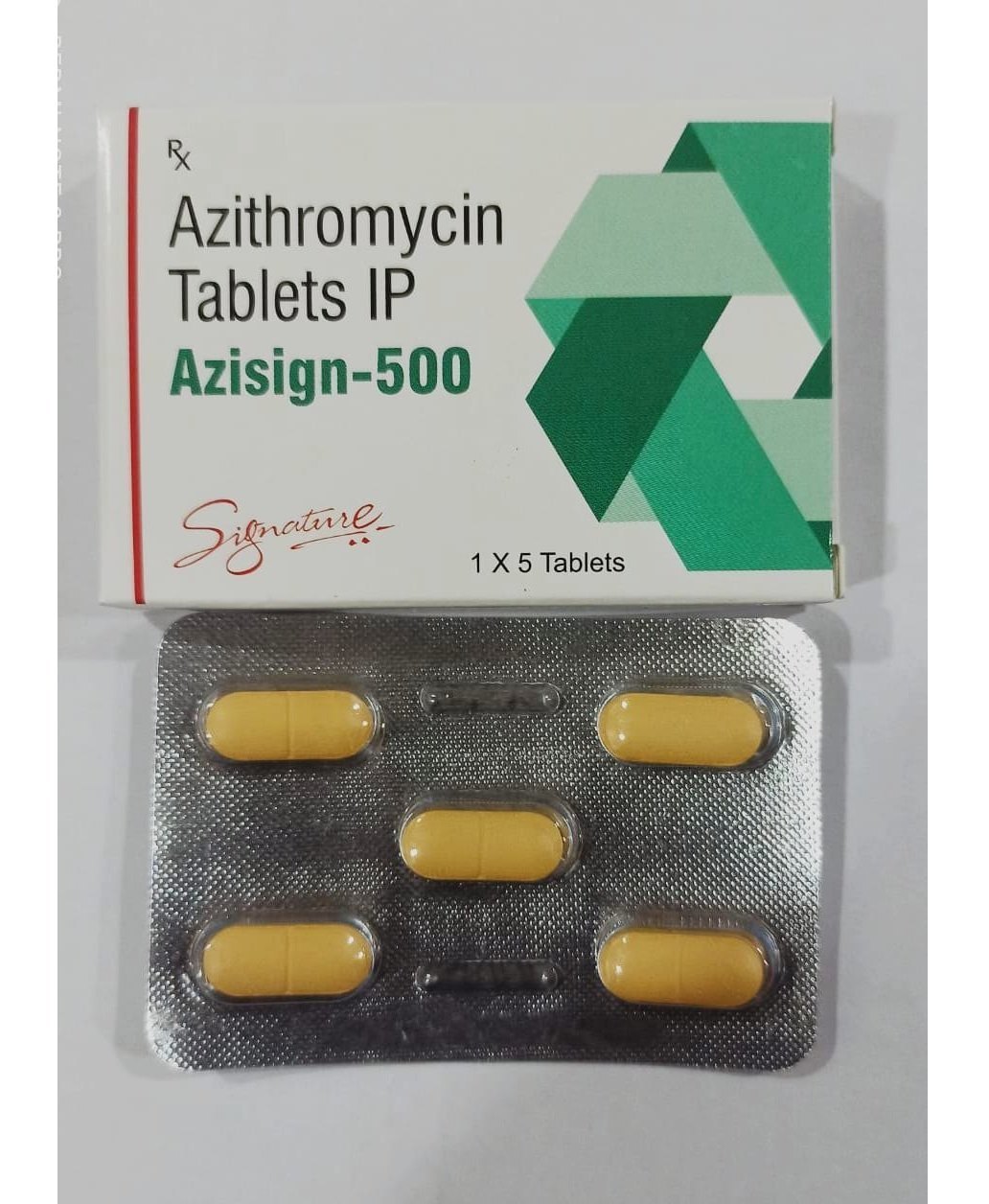
BUY Azisign-500 in UK online
Manufacturer – Signova Pharma
Package – 500 mg (3 / 5 / 10 tablets depending on pack)
Active substance – Azithromycin
Introduction to Azisign-500
Azisign-500 is a powerful antibiotic medication that contains 500 mg of azithromycin, a widely used macrolide antibiotic. It is commonly prescribed for the treatment of various bacterial infections affecting different parts of the body, including the respiratory tract, skin, ears, and sexually transmitted infections.
Azithromycin belongs to the macrolide class of antibiotics, which work by stopping the growth and multiplication of bacteria. This makes the medication effective against many Gram-positive and Gram-negative bacteria, as well as certain atypical pathogens that cause infections in humans.
Azisign–500 is popular among doctors because of its convenient dosing schedule and strong antibacterial activity. In many cases, patients only need to take the medication for 3 to 5 days, yet its effects continue to work in the body for several days after the last dose. This long-lasting action is due to the unique pharmacokinetic properties of azithromycin.
Because of its broad spectrum of action and high effectiveness, Azisign-500 is frequently used to treat infections such as:
-
Respiratory tract infections
-
Skin and soft tissue infections
-
Ear infections
-
Throat infections
-
Sexually transmitted diseases
-
Certain gastrointestinal infections
When used properly under medical supervision, Azisign-500 can quickly reduce symptoms and eliminate the bacteria responsible for infection.
How Azisign-500 Works
The active ingredient in Azisign-500, Azithromycin, works by interfering with the bacterial protein synthesis process. Bacteria require proteins to grow, multiply, and survive. Azithromycin blocks the 50S ribosomal subunit inside bacterial cells, preventing them from producing essential proteins.
Without these proteins, bacteria cannot reproduce or maintain their vital functions. As a result, the bacteria gradually die off and the body’s immune system can clear the infection more effectively.
One of the reasons azithromycin is so effective is that it accumulates in infected tissues, where it remains active for a long time. This allows doctors to prescribe shorter treatment courses compared to many other antibiotics.
Another advantage is that azithromycin can penetrate deep into tissues such as the lungs, tonsils, and skin, making it particularly effective for respiratory infections and skin infections.
Medical Uses of Azisign-500
Azisign-500 is prescribed for a wide range of bacterial infections. Some of the most common uses include:
Respiratory Tract Infections
Azisign-500 is widely used to treat infections of the respiratory system, including:
-
Bronchitis
-
Pneumonia
-
Sinusitis
-
Tonsillitis
-
Pharyngitis
These infections are usually caused by bacteria that infect the lungs, throat, or airways. Azithromycin helps eliminate these bacteria and relieve symptoms such as cough, fever, sore throat, and breathing difficulty.
Ear Infections
Doctors often prescribe Azisign-500 for middle ear infections (otitis media). These infections are common in both children and adults and can cause ear pain, fever, and hearing problems.
The antibiotic works by eliminating the bacteria responsible for the infection and reducing inflammation.
Skin and Soft Tissue Infections
Azisign-500 can also treat infections of the skin and surrounding tissues. These infections may include:
-
Cellulitis
-
Impetigo
-
Infected wounds
-
Abscesses
By eliminating harmful bacteria, the medication helps the skin heal and prevents the infection from spreading.
Sexually Transmitted Infections (STIs)
Azithromycin is commonly used in the treatment of certain sexually transmitted infections such as:
-
Chlamydia
-
Gonorrhea (in combination with other medications)
In many cases, a single high dose of azithromycin may be enough to treat certain STIs, making it a convenient option for patients.
Gastrointestinal Infections
Azisign-500 may also be used to treat infections of the digestive system caused by bacteria, including certain forms of bacterial diarrhea.
Dosage and Administration
The dosage of Azisign-500 depends on several factors, including the type of infection, severity of symptoms, and patient health condition.
Typical dosage recommendations may include:
-
Adults: 500 mg once daily for 3–5 days
-
Sexually transmitted infections: Sometimes a single dose of 1 gram may be prescribed
-
Children: Dosage is usually based on body weight
It is important to follow the doctor’s prescription exactly and complete the full course of treatment, even if symptoms improve before the medication is finished.
Azisign-500 tablets are usually taken once per day, preferably at the same time each day. They may be taken with or without food, although taking them with food may help reduce stomach discomfort.
Patients should swallow the tablet with a full glass of water.
Benefits of Azisign-500
Azisign-500 offers several advantages compared to many other antibiotics.
Broad Spectrum Activity
Azithromycin is effective against a wide variety of bacteria, making it useful for treating many types of infections.
Short Treatment Duration
Unlike many antibiotics that require 7–10 days of treatment, Azisign-500 often works with shorter treatment courses, improving patient compliance.
Long-Lasting Effect
The medication remains active in body tissues for several days, continuing to fight bacteria even after the final dose.
Convenient Dosage
Azisign-500 is usually taken once daily, making it easy for patients to follow the treatment plan.
High Tissue Penetration
The drug accumulates in infected tissues, allowing it to target bacteria more effectively.
Possible Side Effects
Although Azisign-500 is generally well tolerated, some people may experience side effects. These are usually mild and temporary.
Common side effects include:
-
Nausea
-
Vomiting
-
Diarrhea
-
Stomach pain
-
Headache
-
Dizziness
These symptoms often improve as the body adjusts to the medication.
However, in rare cases, more serious side effects may occur, such as:
-
Severe allergic reactions
-
Liver problems
-
Irregular heartbeat
-
Severe diarrhea caused by intestinal inflammation
Patients should seek medical attention if they experience severe symptoms such as rash, swelling, difficulty breathing, or persistent diarrhea.
Precautions and Warnings
Before taking Azisign-500, patients should inform their doctor about any existing medical conditions.
Important precautions include:
Liver Disease
People with liver problems should use azithromycin cautiously because the drug is processed in the liver.
Heart Conditions
Azithromycin may affect heart rhythm in rare cases. Patients with heart disease or abnormal heart rhythms should consult their doctor before using the medication.
Allergies
Patients who are allergic to macrolide antibiotics should avoid taking Azisign-500.
Pregnancy and Breastfeeding
Azithromycin is sometimes prescribed during pregnancy if the benefits outweigh the risks. However, patients should always consult a healthcare provider before using any medication during pregnancy or breastfeeding.
Drug Interactions
Azisign-500 may interact with certain medications, which can affect its effectiveness or increase the risk of side effects.
Examples of drugs that may interact with azithromycin include:
-
Antacids containing aluminum or magnesium
-
Blood thinners
-
Heart rhythm medications
-
Certain cholesterol-lowering drugs
Patients should inform their doctor about all medications and supplements they are taking before starting treatment.
Storage Instructions
To maintain the effectiveness of Azisign-500, the medication should be stored properly.
Recommended storage conditions include:
-
Keep at room temperature
-
Protect from moisture and direct sunlight
-
Store in the original packaging
-
Keep out of reach of children
Expired or unused medication should be disposed of safely according to local pharmaceutical guidelines.
Importance of Responsible Antibiotic Use
Antibiotics like Azisign-500 are highly effective when used correctly. However, misuse or overuse can lead to antibiotic resistance, which occurs when bacteria evolve and become resistant to medications.
To help prevent antibiotic resistance, patients should:
-
Only use antibiotics when prescribed by a doctor
-
Complete the full course of treatment
-
Never share antibiotics with others
-
Avoid using leftover antibiotics for new illnesses
Responsible use ensures that antibiotics remain effective for treating infections in the future.
Conclusion
Azisign-500 is a widely used antibiotic medication that contains Azithromycin, a powerful antibacterial agent capable of treating many different infections.
It is commonly prescribed for respiratory infections, ear infections, skin infections, sexually transmitted diseases, and gastrointestinal infections. Its convenient once-daily dosing and shorter treatment duration make it a popular choice among healthcare professionals and patients.
Azisign-500 works by stopping bacteria from producing essential proteins, which prevents them from growing and spreading. As the bacteria die off, the body can recover from the infection more effectively.
While the medication is generally safe and well tolerated, patients should follow medical instructions carefully and report any unusual side effects to their doctor.
When used responsibly, Azisign-500 provides effective and reliable treatment for bacterial infections, helping patients recover quickly and return to normal health.
Be the first to review “Azisign-500”
Related products
SKIN
SKIN
SKIN
SKIN
SKIN
SKIN
SKIN
SKIN
Reviews
There are no reviews yet.